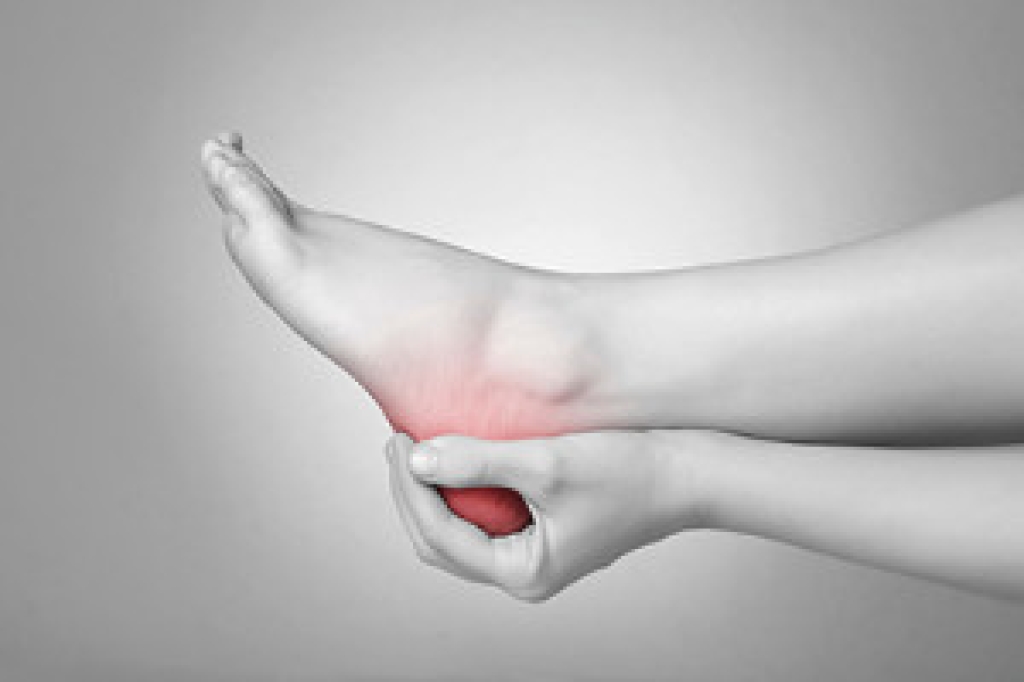
Foot or ankle pain can negatively affect your day-to-day life and can occur due to several different conditions. Pain can also be an indicator of a more serious underlying condition, which is why you should seek professional help as soon as you notice any abnormalities in your feet.
Ankle injuries in basketball are among the most common sports-related conditions, due to the fast-paced and high-impact nature of the game. These injuries occur when the ligaments, tendons, or bones in the ankle are stressed beyond their normal range. Quick direction changes, jumping, and sudden stops all place significant pressure on the ankle joint. Understanding the definition and causes of ankle injuries can help players take steps to reduce their risk and stay active on the court.
Symptoms of ankle injuries may include pain, swelling, bruising, and a limited range of motion. In some cases, players may feel instability or difficulty bearing weight on the affected foot. Risk factors include improper landing techniques, wearing unsupportive shoes, and weak ankle muscles. Landing awkwardly after a jump is a leading cause, as it can force the ankle into an unnatural position. Shoes that lack proper cushioning and stability can also increase the likelihood of injury by failing to support the foot during movement.
There are several types of ankle injuries that basketball players may experience. Sprains are the most common and occur when ligaments are stretched or torn. Strains involve injury to muscles or tendons, while fractures are more severe and involve a break in the bone. Each type of injury varies in severity, but all require proper attention to prevent long-term complications. Strength training, balance exercises, and wearing well-fitted athletic shoes can help reduce the risk of these injuries.
Preventing ankle injuries involves a combination of proper technique, conditioning, and awareness. Players should focus on controlled landings, maintain strong lower-leg muscles, and choose shoes designed for court sports. Taking time to warm up before playing can also prepare the joints for activity. If you have developed a foot or ankle injury while playing basketball, it is suggested that you consult a podiatrist for effective relief and treatment solutions.
Ankle and foot injuries are common among athletes and in many sports. They can be caused by several problems and may be potentially serious. If you are feeling pain or think you were injured in a sporting event or when exercising, consult with Lance Greiff, DPM from Great Neck Podiatry. Our doctor will assess your condition and provide you with quality foot and ankle treatment.
Common Injuries
The most common injuries that occur in sporting activities include:
Achilles Tendonitis
Achilles Tendon Rupture
Ankle Sprains
Broken Foot
Plantar Fasciitis
Stress Fractures
Turf Toe
Symptoms
Symptoms vary depending upon the injury and in some cases, there may be no symptoms at all. However, in most cases, some form of symptom is experienced. Pain, aching, burning, bruising, tenderness, tightness or stiffness, sensation loss, difficulty moving, and swelling are the most common symptoms.
Treatment
Just as symptoms vary depending upon the injury, so do treatment options. A common treatment method is known as the RICE method. This method involves rest, applying ice, compression and elevating the afflicted foot or ankle. If the injury appears to be more serious, surgery might be required, such as arthroscopic or reconstructive surgery. Lastly, rehabilitation or therapy might be needed to gain full functionality in the afflicted area. Any discomfort experienced by an athlete must be evaluated by a licensed, reputable medical professional.
If you have any questions please contact our offices located in Great NeckBronx, NY. We offer the newest diagnostic and treatment technologies for all your foot and ankle needs.
Heel pain can develop from several conditions that affect the structures surrounding the foot and ankle. The heel absorbs a significant amount of pressure during standing, walking, and physical activity, making it vulnerable to stress and injury. Pain may occur underneath the heel, around the sides of the foot, or at the back near the Achilles tendon. Identifying the location and type of discomfort can help determine the possible cause and appropriate treatment approach.
Symptoms of heel pain may include sharp pain, dull aching sensations, and stiffness. Sharp pain is often noticed with the first steps after waking up or after extended periods of inactivity. Dull pain may develop after long periods of standing or exercise. Some individuals may also experience difficulty walking, reduced mobility, or discomfort when wearing certain shoes. These symptoms can affect daily activities if not addressed properly.
Plantar fasciitis and Achilles tendonitis are two leading causes of heel pain. Plantar fasciitis involves inflammation and irritation of the plantar fascia, causing pain underneath the heel and along the arch. Achilles tendonitis affects the tendon at the back of the heel and often develops from repetitive stress. Symptoms of Achilles tendonitis include stiffness, tenderness, and pain that worsens with movement. Risk factors can include running, jumping activities, and wearing poor footwear. In addition to excess body weight, and limited flexibility.
Managing heel pain requires identifying the cause and addressing contributing factors. Wearing supportive footwear, stretching exercises, and activity modifications can help reduce strain on the affected tissues. Early evaluation can improve comfort and prevent further complications. If you have heel pain, it is suggested that you consult a podiatrist for an accurate diagnosis and appropriate treatment plan.
Many people suffer from bouts of heel pain. For more information, contact Lance Greiff, DPM of Great Neck Podiatry. Our doctor can provide the care you need to keep you pain-free and on your feet.
Causes of Heel Pain
Heel pain is often associated with plantar fasciitis. The plantar fascia is a band of tissues that extends along the bottom of the foot. A rip or tear in this ligament can cause inflammation of the tissue.
Achilles tendonitis is another cause of heel pain. Inflammation of the Achilles tendon will cause pain from fractures and muscle tearing. Lack of flexibility is also another symptom.
Heel spurs are another cause of pain. When the tissues of the plantar fascia undergo a great deal of stress, it can lead to ligament separation from the heel bone, causing heel spurs.
Why Might Heel Pain Occur?
Wearing ill-fitting shoes
Wearing non-supportive shoes
Weight change
Excessive running
Treatments
Heel pain should be treated as soon as possible for immediate results. Keeping your feet in a stress-free environment will help. If you suffer from Achilles tendonitis or plantar fasciitis, applying ice will reduce the swelling. Stretching before an exercise like running will help the muscles. Using all these tips will help make heel pain a condition of the past.
If you have any questions, please feel free to contact our offices located in Great NeckBronx, NY. We offer the newest diagnostic and treatment technologies for all your foot care needs.
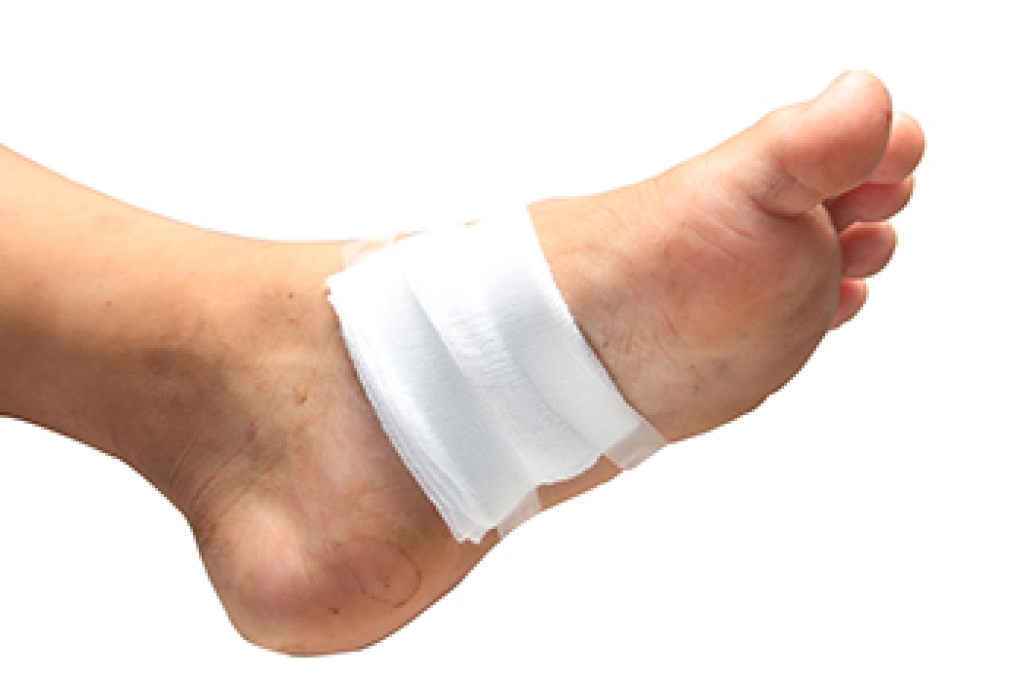
Sores on the feet develop when pressure damages the skin and tissue beneath it. They frequently form over bony areas, especially the heels and ankles. People who spend long periods in bed, sit in a wheelchair, or have limited movement face increased risk. Diabetes and poor blood flow raise the risk, because wounds can be harder to notice and heal. Early signs include red or discolored skin, warmth, and tenderness. The area may feel firm or spongy. A sore can later become a blister or open wound, and, in severe cases, extend into deeper tissue.
Pressure is the main cause, but friction and sliding can add to the damage. Moisture can weaken the skin and make it more open to injury. Foot deformities, prominent bones, and shoes that create repeated pressure can lead to sores. Reduced feeling in the feet is concerning, because a patient may not notice pain or skin changes. A pressure sore should receive medical attention. Increasing redness, drainage, or swelling can point to infection. An unpleasant odor is another warning sign. Fever or spreading redness requires urgent care. Without treatment, the wound can deepen and affect muscle or bone.
A podiatrist can examine the pressure sore, measure its depth, and check blood flow and sensation in the foot. The evaluation also identifies the source of pressure and looks for infection. Treatment includes professional wound cleaning, dressings, and monitoring. The podiatrist can provide off-loading devices that shift weight away from the injured area. Orthotics or shoe changes can reduce harmful rubbing and pressure. For deeper sores, the podiatrist can remove damaged tissue to support healing and coordinate care with specialists. Early podiatric care can help limit tissue damage, reduce infection risk, and protect mobility. If you have pressure sores on your feet, it is suggested that you schedule an appointment with a podiatrist for effective relief and management solutions.
Wound care is an important part in dealing with diabetes. If you have diabetes and a foot wound or would like more information about wound care for diabetics, consult with Lance Greiff, DPM from Great Neck Podiatry. Our doctor will assess your condition and provide you with quality foot and ankle treatment.
What Is Wound Care?
Wound care is the practice of taking proper care of a wound. This can range from the smallest to the largest of wounds. While everyone can benefit from proper wound care, it is much more important for diabetics. Diabetics often suffer from poor blood circulation which causes wounds to heal much slower than they would in a non-diabetic.
What Is the Importance of Wound Care?
While it may not seem apparent with small ulcers on the foot, for diabetics, any size ulcer can become infected. Diabetics often also suffer from neuropathy, or nerve loss. This means they might not even feel when they have an ulcer on their foot. If the wound becomes severely infected, amputation may be necessary. Therefore, it is of the upmost importance to properly care for any and all foot wounds.
How to Care for Wounds
The best way to care for foot wounds is to prevent them. For diabetics, this means daily inspections of the feet for any signs of abnormalities or ulcers. It is also recommended to see a podiatrist several times a year for a foot inspection. If you do have an ulcer, run the wound under water to clear dirt from the wound; then apply antibiotic ointment to the wound and cover with a bandage. Bandages should be changed daily and keeping pressure off the wound is smart. It is advised to see a podiatrist, who can keep an eye on it.
If you have any questions please contact our offices located in Great NeckBronx, NY. We offer the newest diagnostic and treatment technologies for all your foot and ankle needs.
An ankle fracture is a break in one or more bones that form the ankle joint. The injury can involve the tibia, which is the larger lower leg bone. It can also involve the fibula, the smaller bone on the outside of the leg. Less often, the talus, which connects the leg to the foot, is affected. The location of the break helps determine whether the ankle remains stable or becomes unstable. A stable fracture keeps the joint properly lined up. An unstable fracture allows the bones to shift. Types of ankle fractures depend on which part of the ankle is broken. Some involve the outside of the ankle, some affect the inside, and others involve both sides. The most serious fractures can affect three areas of the ankle joint. These injuries usually require more advanced treatment because the bones are no longer properly lined up.
Fractured ankles happen when the bones are forced beyond their normal limits. A sudden twist while playing sports can cause a break. Falling on uneven ground can also fracture the ankle. Car accidents and other high-impact injuries create enough force to break one or more bones. The type of injury depends on the direction and strength of the force. It also depends on the position of the foot when the accident occurs. Symptoms include severe pain, swelling, bruising, and difficulty standing or walking.
A podiatrist can help by examining the ankle and ordering imaging studies to identify the exact location and pattern of the fracture. This information guides treatment and helps protect the ankle joint from further damage. Stable fractures sometimes heal without surgery, while unstable fractures may require surgery to restore proper alignment. Regular follow-up visits allow the podiatrist to monitor healing and check that the bones remain in the correct position. If you have symptoms of a broken ankle, it is suggested that you schedule an appointment with a podiatrist for appropriate treatment.
Broken ankles need immediate treatment. If you are seeking treatment, contact Lance Greiff, DPM from Great Neck Podiatry. Our doctor can provide the care you need to keep you pain-free and on your feet.
Broken Ankles A broken ankle is experienced when a person fractures their tibia or fibula in the lower leg and ankle area. Both of these bones are attached at the bottom of the leg and combine to form what we know to be our ankle.
When a physician is referring to a break of the ankle, he or she is usually referring to a break in the area where the tibia and fibula are joined to create our ankle joint. Ankles are more prone to fractures because the ankle is an area that suffers a lot of pressure and stress. There are some obvious signs when a person experiences a fractured ankle, and the following symptoms may be present.
Symptoms of a Fractured Ankle
Excessive pain when the area is touched or when any pressure is placed on the ankle
Swelling around the area
Bruising of the area
Area appears to be deformed
If you suspect an ankle fracture, it is recommended to seek treatment as soon as possible. The sooner you have your podiatrist diagnose the fracture, the quicker you’ll be on the way towards recovery.
If you have any questions, please feel free to contact our offices located in Great NeckBronx, NY. We offer the newest diagnostic and treatment technologies for all your foot care needs.