When to See a Podiatrist for Heel Pain in Children

When children experience heel pain, it can interfere with their ability to play, walk comfortably, or participate in daily activities. One of the most common causes is Sever disease, an inflammation of the growth plate in the heel that often develops during growth spurts. Other possible issues include overuse injuries, poorly fitting shoes, flat feet, or biomechanical imbalances that place added strain on the heel. Although heel discomfort in children is often temporary, it should never be ignored, especially if the pain persists, worsens with activity, or changes the way a child walks. Early evaluation allows a podiatrist to determine the underlying cause and recommend appropriate care, which may include activity modifications, stretching, wearing supportive footwear, or custom orthotics. It is suggested you see a podiatrist if your child has ongoing heel pain or difficulty walking without discomfort.

Many people suffer from bouts of heel pain. For more information, contact Lance Greiff, DPM of Great Neck Podiatry. Our doctor can provide the care you need to keep you pain-free and on your feet.

Causes of Heel Pain

Heel pain is often associated with plantar fasciitis. The plantar fascia is a band of tissues that extends along the bottom of the foot. A rip or tear in this ligament can cause inflammation of the tissue.

Achilles tendonitis is another cause of heel pain. Inflammation of the Achilles tendon will cause pain from fractures and muscle tearing. Lack of flexibility is also another symptom.

Heel spurs are another cause of pain. When the tissues of the plantar fascia undergo a great deal of stress, it can lead to ligament separation from the heel bone, causing heel spurs.

Why Might Heel Pain Occur?

  • Wearing ill-fitting shoes                
  • Wearing non-supportive shoes
  • Weight change           
  • Excessive running

Treatments

Heel pain should be treated as soon as possible for immediate results. Keeping your feet in a stress-free environment will help. If you suffer from Achilles tendonitis or plantar fasciitis, applying ice will reduce the swelling. Stretching before an exercise like running will help the muscles. Using all these tips will help make heel pain a condition of the past.

If you have any questions, please feel free to contact our offices located in Great Neck Bronx, NY . We offer the newest diagnostic and treatment technologies for all your foot care needs.

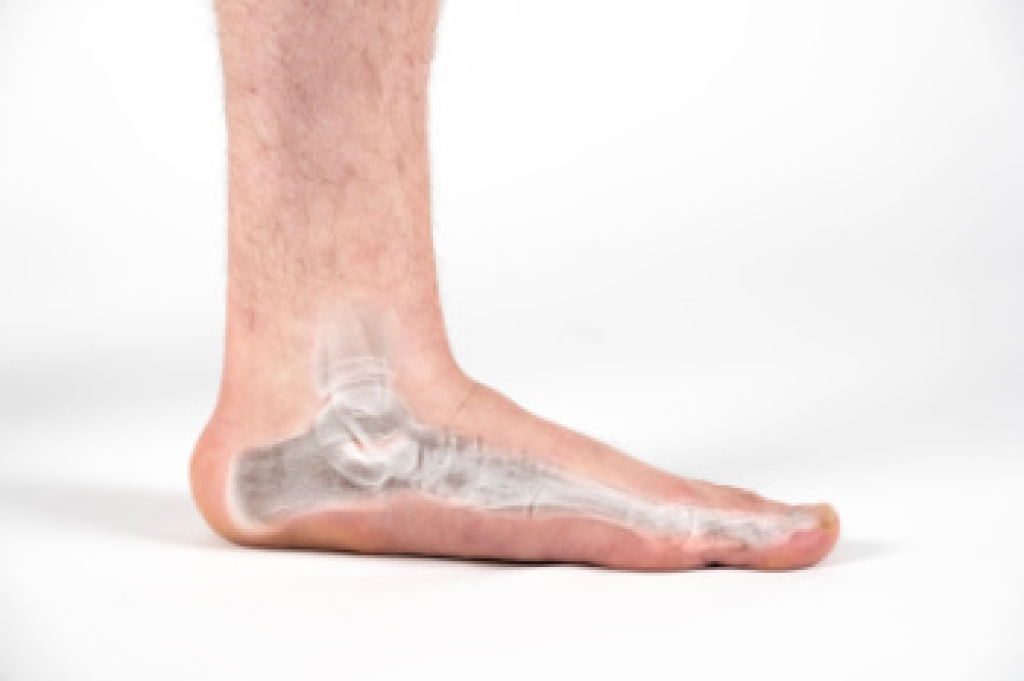
Read more about Heel Pain

Types of Flat Feet

Flat feet, also known as fallen arches, occur when the inner arch of the foot collapses, causing the entire sole to make contact with the ground. There are two main types of flat feet, structural and functional. Structural flat feet are caused by bone or joint abnormalities present at birth or developed over time, resulting in permanent arch collapse. Functional flat feet occur when the arch appears normal while non-weight-bearing, but flattens during standing or walking due to ligament laxity or muscle weakness. Symptoms include foot fatigue, pain in the arch or heel, and difficulty with prolonged activity. A podiatrist can evaluate foot structure, recommend supportive footwear, provide custom orthotics, and design strengthening exercises to restore proper alignment. If you have flat feet, it is suggested that you are under the care of a podiatrist who can help you to manage this condition.

Flatfoot is a condition many people suffer from. If you have flat feet, contact Lance Greiff, DPM from Great Neck Podiatry. Our doctor will treat your foot and ankle needs.

What Are Flat Feet?

Flatfoot is a condition in which the arch of the foot is depressed and the sole of the foot is almost completely in contact with the ground. About 20-30% of the population generally has flat feet because their arches never formed during growth.

Conditions & Problems:

Having flat feet makes it difficult to run or walk because of the stress placed on the ankles.

Alignment – The general alignment of your legs can be disrupted, because the ankles move inward which can cause major discomfort.

Knees – If you have complications with your knees, flat feet can be a contributor to arthritis in that area.  

Symptoms

  • Pain around the heel or arch area
  • Trouble standing on the tip toe
  • Swelling around the inside of the ankle
  • Flat look to one or both feet
  • Having your shoes feel uneven when worn

Treatment

If you are experiencing pain and stress on the foot you may weaken the posterior tibial tendon, which runs around the inside of the ankle. 

If you have any questions, please feel free to contact our offices located in Great Neck Bronx, NY . We offer the newest diagnostic and treatment technologies for all your foot care needs.
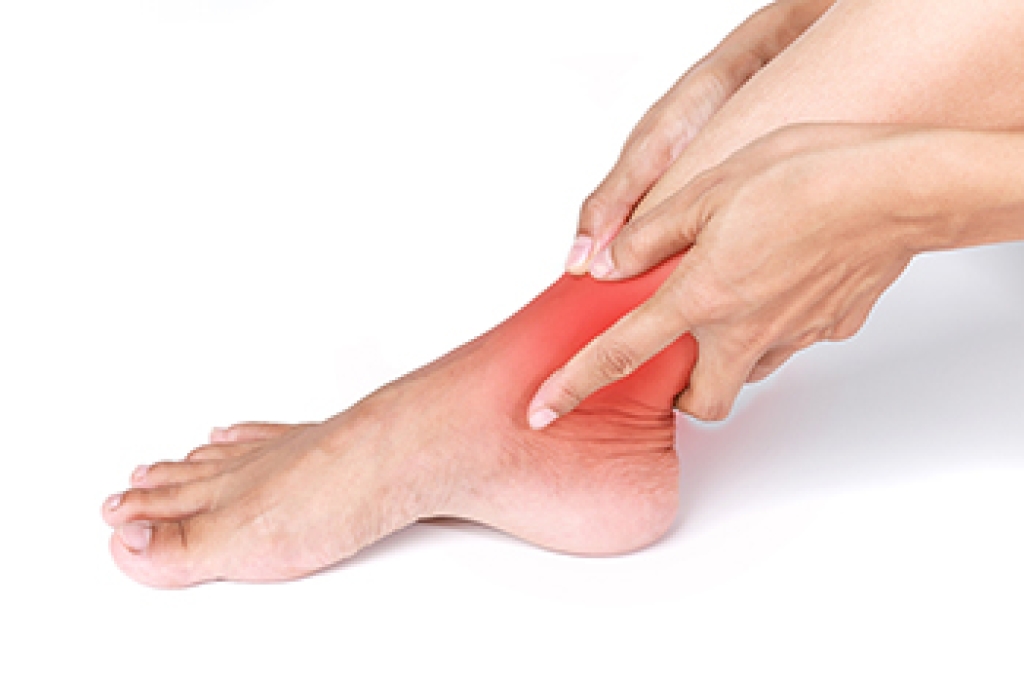
Read more about Flatfoot

Do Your Child's Feet Hurt?

Have your child's feet been examined lately? Healthy feet are happy feet. If your child is complaining of foot pain, it may be a sign of underlying problems.

Fungus and Athlete’s Foot

Athlete’s foot can result in severe itching between the toes and on the bottom of the feet, and the toenails may become discolored and brittle. Athlete’s foot is caused by a fungus that lives and thrives in warm and moist environments. These can include public swimming areas, locker rooms, and shower room floors. The fungus typically enters the body through tiny cracks in the skin on the feet and is considered to be contagious. Preventative methods include wearing appropriate shoes in these areas, and it is also helpful to refrain from sharing towels, socks, and shoes. If you are afflicted with athlete’s foot, please consult with a podiatrist who can prescribe the correct treatments for this condition.

Athlete’s foot is an inconvenient condition that can be easily reduced with the proper treatment. If you have any concerns about your feet and ankles, contact Lance Greiff, DPM from Great Neck Podiatry.  Our doctor will treat your foot and ankle needs.

Athlete’s Foot: The Sole Story

Athlete's foot, also known as tinea pedis, can be an extremely contagious foot infection. It is commonly contracted in public changing areas and bathrooms, dormitory style living quarters, around locker rooms and public swimming pools, or anywhere your feet often come into contact with other people.

Solutions to Combat Athlete’s Foot

  • Hydrate your feet by using lotion
  • Exfoliate
  • Buff off nails
  • Use of anti-fungal products
  • Examine your feet and visit your doctor if any suspicious blisters or cuts develop

Athlete’s foot can cause many irritating symptoms such as dry and flaking skin, itching, and redness. Some more severe symptoms can include bleeding and cracked skin, intense itching and burning, and even pain when walking. In the worst cases, Athlete’s foot can cause blistering as well. Speak to your podiatrist for a better understanding of the different causes of Athlete’s foot, as well as help in determining which treatment options are best for you.

If you have any questions please feel free to contact our offices located in Great Neck Bronx, NY . We offer the newest diagnostic and treatment technologies for all your foot and ankle needs.

Read more about Athlete's Foot

Stages of Ingrown Toenails

An ingrown toenail occurs when the edge of the nail grows into the surrounding skin, creating pain and irritation. This condition can be caused by wide nail plates, misshapen nails, or nails that are cut too short or unevenly. Ingrown toenails progress through stages that include mild symptoms with slight redness and tenderness, moderate symptoms with swelling and drainage, and severe symptoms marked by significant pain and infection. A podiatrist can accurately assess the stage, provide safe and effective treatment, and prevent the issue from worsening. Care may include gentle nail correction or minor procedures to remove the problematic edge. If you have developed an ingrown toenail, it is suggested that you consult a podiatrist who can guide you toward appropriate treatment solutions.

Ingrown toenails can become painful if they are not treated properly. For more information about ingrown toenails, contact Lance Greiff, DPM of Great Neck Podiatry. Our doctor can provide the care you need to keep you pain-free and on your feet.

Ingrown Toenails

Ingrown toenails occur when a toenail grows sideways into the bed of the nail, causing pain, swelling, and possibly infection.

Causes

  • Bacterial infections
  • Improper nail cutting such as cutting it too short or not straight across
  • Trauma to the toe, such as stubbing, which causes the nail to grow back irregularly
  • Ill-fitting shoes that bunch the toes too close together
  • Genetic predisposition

Prevention

Wearing proper fitting shoes and using proper cutting techniques will also help decrease your risk of developing ingrown toenails.

Treatment

Ingrown toenails are a very treatable foot condition. In minor cases, soaking the affected area in salt or antibacterial soaps will not only help with the ingrown nail itself, but also help prevent any infections from occurring. In more severe cases, surgery is an option. In either case, speaking to your podiatrist about this condition will help you get a better understanding of specific treatment options that are right for you.

If you have any questions, please feel free to contact our offices located in Great Neck Bronx, NY . We offer the newest diagnostic and treatment technologies for all your foot care needs.
Read more about Ingrown Toenails